AI-Native Workflow Log
Scaling high-density data products demands more than just visual consistency; it requires operational velocity.
In this log, I document a Code-to-Canvas workflow where every design originates from AI-driven logic. By establishing a design system through code first and scaling it back to the canvas, I automate design governance and synchronize design-to-production pipelines. This is a live record of redefining scalability for the next generation of complex digital systems.
Edition 01. High-Speed Prototyping & System Setup
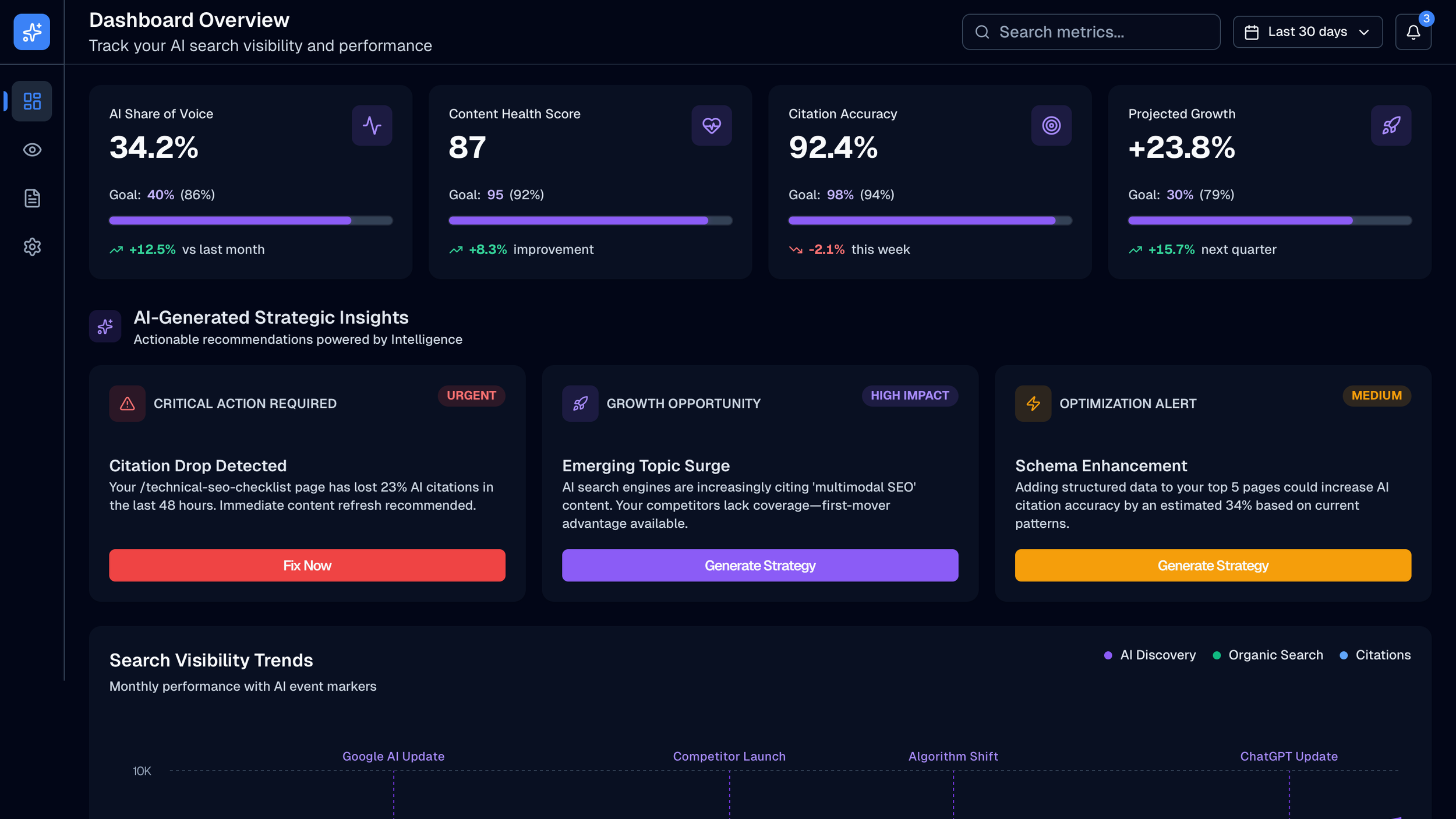
In the first Editioin, I focused on building a functional SEO Analytics Dashboard from scratch using an AI-native workflow. The goal was to bridge the gap between rapid prototyping and a scalable design system.
March 26, 2026 Read Entry →
Edition 02. Color Variable Refactoring & Custom Automation
In Edition 02, I moved from rapid prototyping to System Consolidation. My goal was to achieve 100% synchronization between code and design to prevent future Design Debt. This entry was a journey of overcoming the limitations of current AI agents and building my own automation tools to bridge the gap between production code and Figma.
April 05, 2026 Read Entry →
Edition 03. Typography Variable System
While building Atomic Components, I realized the typography system wasn't fully synced yet. To fix this, I first defined a new set of typography variables in CSS and manually refactored the entire codebase to replace hard-coded values with these new tokens. Then, I built an "Integrated Injector" to bridge these CSS utilities with Figma Variables, ensuring 100% synchronization and a clean start for the next step.
April 16, 2026 Read Entry →
Edition 04. Automated Atomic Generation
I moved beyond variable syncing to Automated Atomic Generation. I built a pipeline to generate 15 essential atoms (Buttons, Inputs, etc.) directly in Figma. This phase was about overcoming Figma API constraints and making a strategic pivot toward a custom infrastructure to protect my existing code architecture.
April 23, 2026 Read Entry →
Edition 05. Molecule Assembly & Strategic Recalibration
In Edition 05, I completed the assembly of seven essential molecules. While plugin-03b successfully mirrored React components in Figma, the process exposed a structural divergence between code and canvas. This realization led to a strategic pivot: shifting focus from perfect Figma automation to a code-centric workflow optimized for AI-driven (Lovable) expansion.
May 04, 2026 Read Entry →